


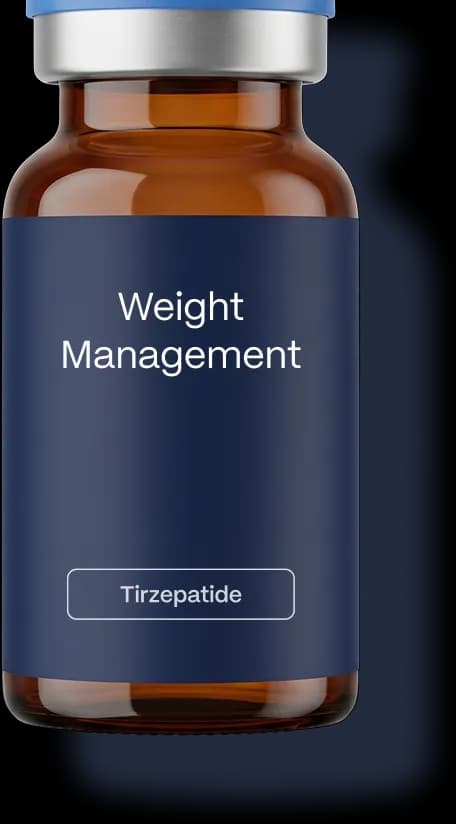
Personalized Tirzepatide (Injections)
Can activate both GLP-1 and GIP receptors, the two gut hormones that signal appetite and satiety.
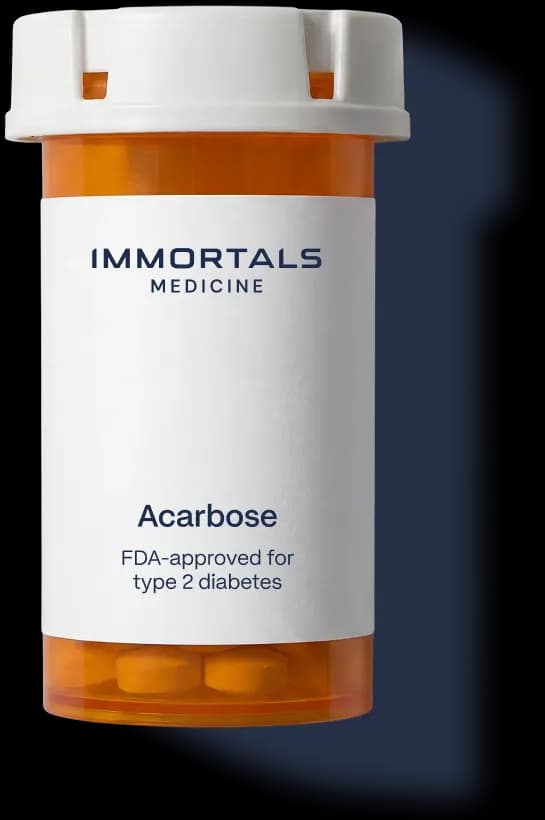
Can slow how fast you digest carbs, supporting steadier blood sugar and lower insulin levels after eating.
*Billed quarterly with a three-month commitment paid up front.
“Acarbose blunts my post-meal blood sugar spikes by slowing carbohydrate absorption and improving my insulin dynamics, making it a valuable tool for metabolic health.”
Why Acarbose
In a placebo-controlled trial, peak blood sugar at 90 min post-meal dropped from 19.0 to 15.5 mmol/L.
Charts and graphics are illustrative representations intended to communicate published research findings and the known pharmacologic properties of the referenced medication. Visualizations may simplify, normalize, or model study data for educational purposes and should not be interpreted as guarantees of individual clinical outcomes or expected results.
HOW ACARBOSE WORKS
Acarbose works in the gut to slow how quickly carbohydrates from food are broken down into sugar. This can lead to steadier blood sugar after meals and may support beneficial changes in gut health.
When you eat starchy or sugary foods, enzymes in your small intestine rapidly break them down into simple sugars. Acarbose works by temporarily blocking these enzymes, so carbohydrates break down more slowly and sugar enters your bloodstream more gradually instead of all at once.
Slower carb digestion can help reduce the blood sugar spike that typically follows a meal. This also means your body may need to release less insulin in response, which helps lessen strain on your pancreas over time.
Slow-digesting carbs travel to your lower gut, where they trigger a hormone that steadies your blood sugar. They also feed good gut bacteria, which turn them into nutrients that can help keep your gut lining healthy.
How Immortals Medicine works

Answer a guided set of questions covering your medical history, current medications, goals, and treatment preferences.

A U.S.-licensed, board-certified physician reviews your intake and recommends a medication, if appropriate.*

Approved medications ship directly to your door in discreet packaging.

Your doctor is available by message any time for additional support. Video consults available.
The same prescription framework as Bryan Johnson's medical team.
*Some states may require a synchronous audio and/or video consultation prior to a prescription being approved.
Can activate both GLP-1 and GIP receptors, the two gut hormones that signal appetite and satiety.
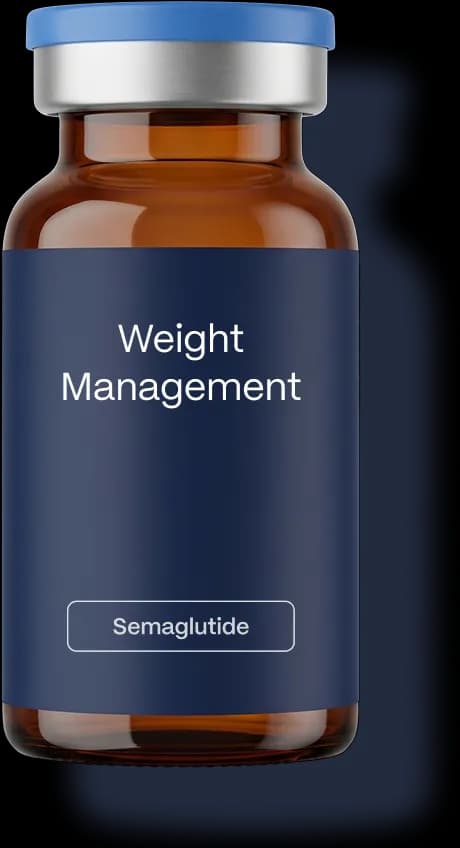
Can help suppress appetite and slow digestion.
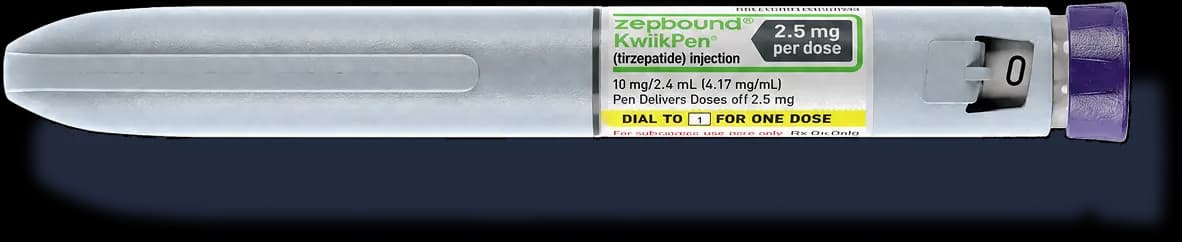
Activates both GLP-1 and GIP receptors, the two gut hormones that signal appetite and satiety.
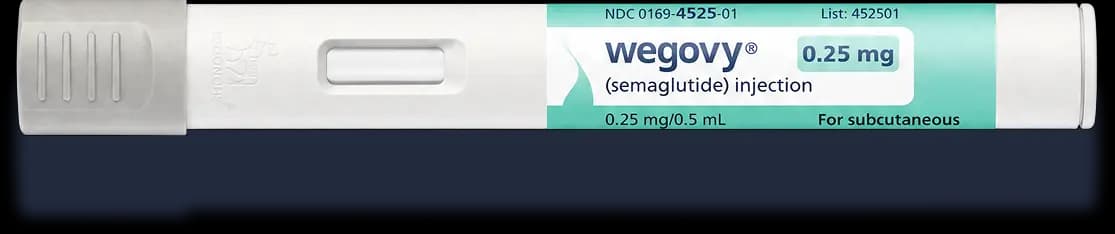
Activates GLP-1 receptors, the gut hormone that signals appetite and satiety.
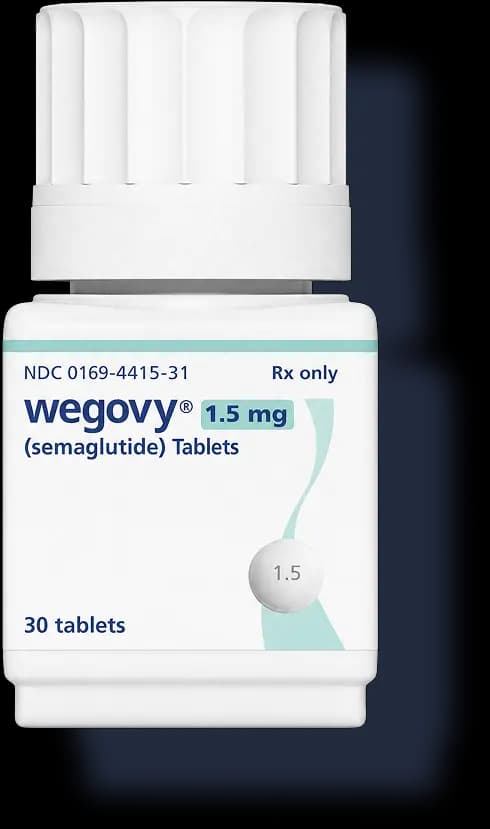
Activates GLP-1 receptors, the gut hormone that signals appetite and satiety.
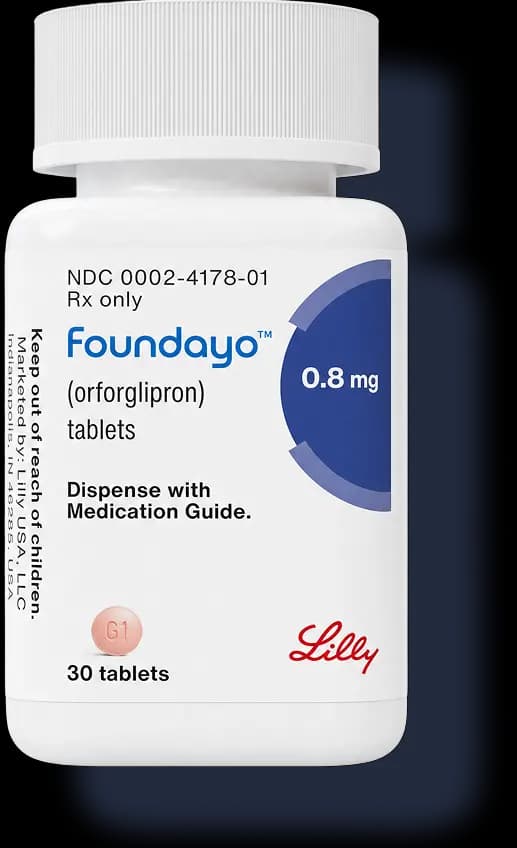
Activates GLP-1 receptors, the gut hormone that signals appetite and satiety.
Activates both GLP-1 and GIP receptors.
Activates the GLP-1 pathway at lower doses.
Why Immortals Medicine
Doctor-led treatment plans designed around your goals. No wait lists. No insurance required.
No membership fees, no hidden costs. You pay only after a doctor prescribes treatment.
Access to specialist physicians, licensed in your state. Unlimited messaging for up to 12 months.
Every protocol is built by medical experts, based on longevity research from Bryan Johnson's science team.
COMMON QUESTIONS
This page is intended for educational purposes only and is not intended to provide medical advice, diagnosis or treatment. Medication eligibility and prescriptions are determined solely by licensed medical providers based on clinical appropriateness. Not all individuals will qualify for medication-based treatment. Always consult a licensed healthcare professional before beginning any wellness program
From $25/mo*$40/mo


